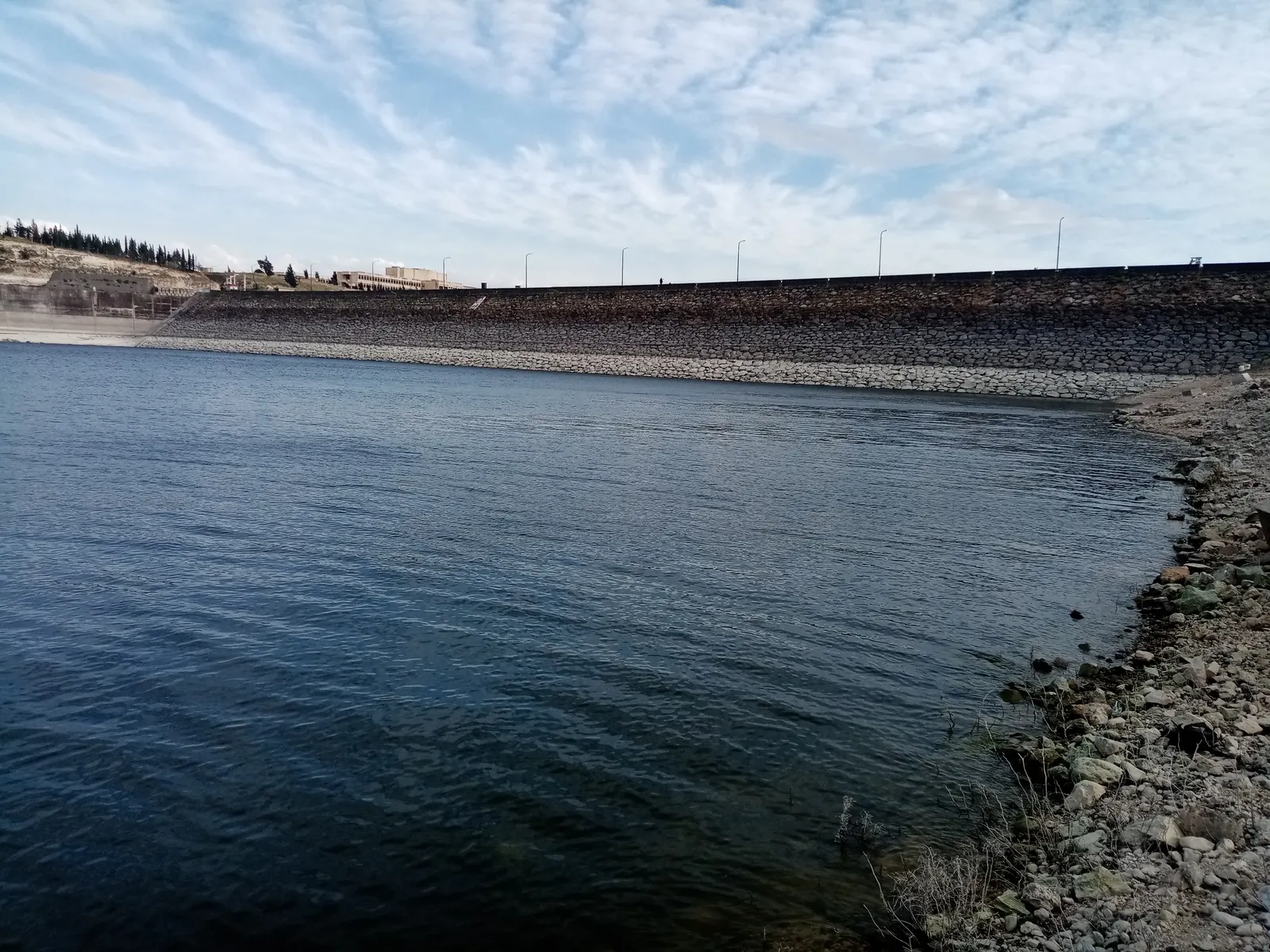
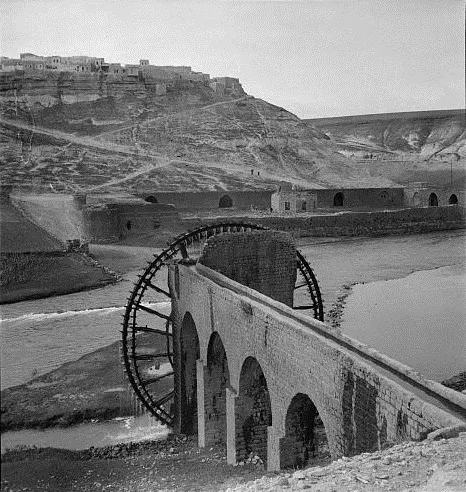
A city on the Orontes — between Homs and Hama, carrying the memory of Arethusa and the pulse of today.
A full week under the patronage of the district administration and the local council.
Closed from Friday morning to Saturday evening for the final finishing works.
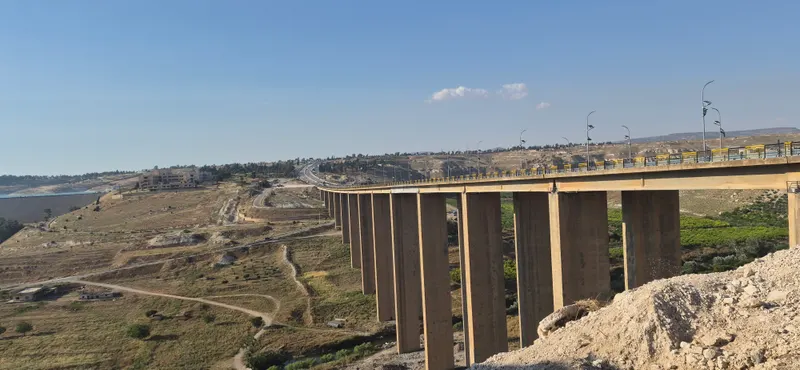
President al-Sharaa opens the rehabilitated bridge over the Orontes with UN support.
🏗️ جسر الرستن الاستراتيجي يستعد لافتتاحه بعد ترميم شامل حمص الرستن | تشهد مدينة الرستن في ريف حمص الشمالي تطوراً مهماً مع اقتراب موعد…
Follow the latest news and official announcements of the Alrastan City Council directly from its Facebook page: decisions, services and initiatives for the city and its people.
Follow on FacebookThe feed loads from Facebook when you click; data may then be shared with Facebook.
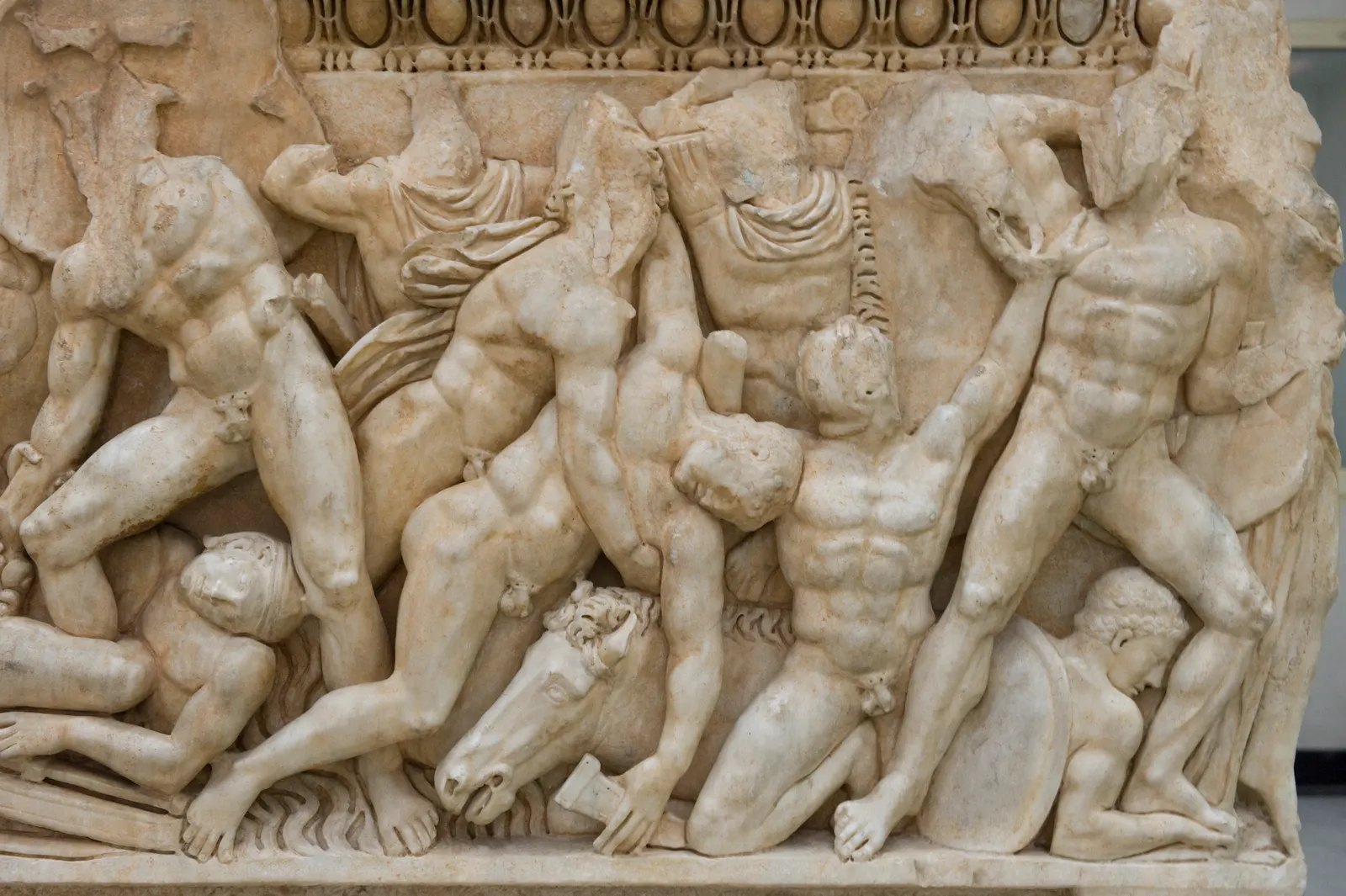
The town stands on the site of Hellenistic Arethusa, founded by Seleucus I Nicator in the 3rd century BC. Its older names — Arethusa, Arastan, الرَّسْتَن — have lived alongside one another ever since.
Arethusa was first capital of the Emesene kingdom in central Syria — a Roman vassal ruled by the phylarch Sampsiceramus I until Pompey captured the city in 64 BC.
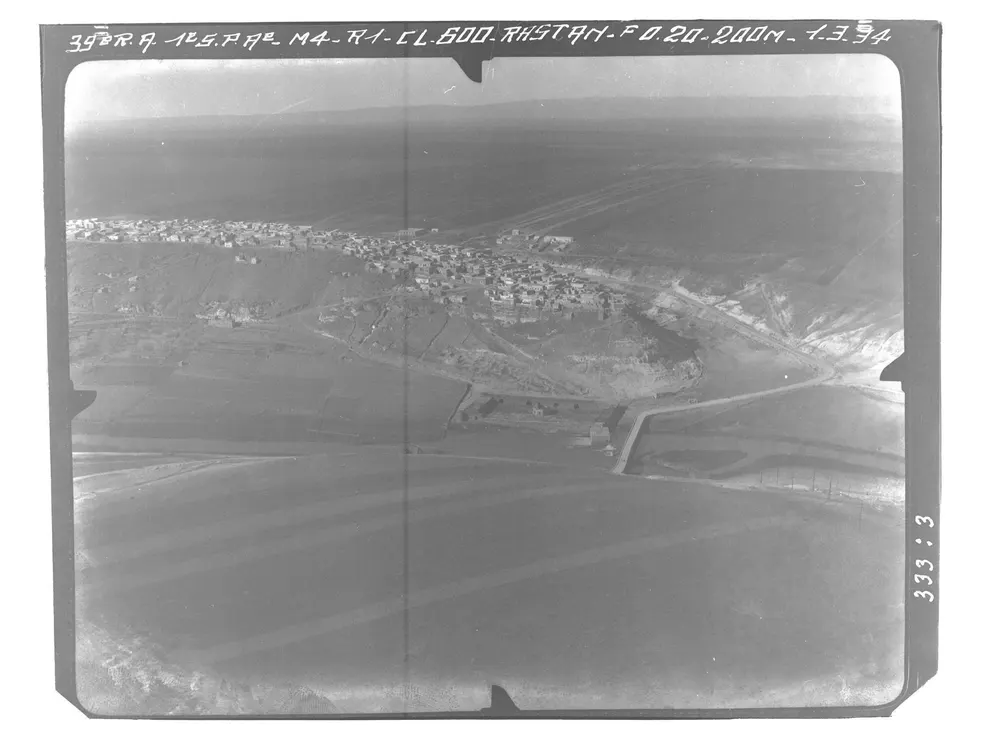
Alrastan is known for fertile soil, ancient olive groves, and one of the principal marlstone quarries in Syria.
Share your memories, send photos, or tell us about your connection to Alrastan.
Send your contribution